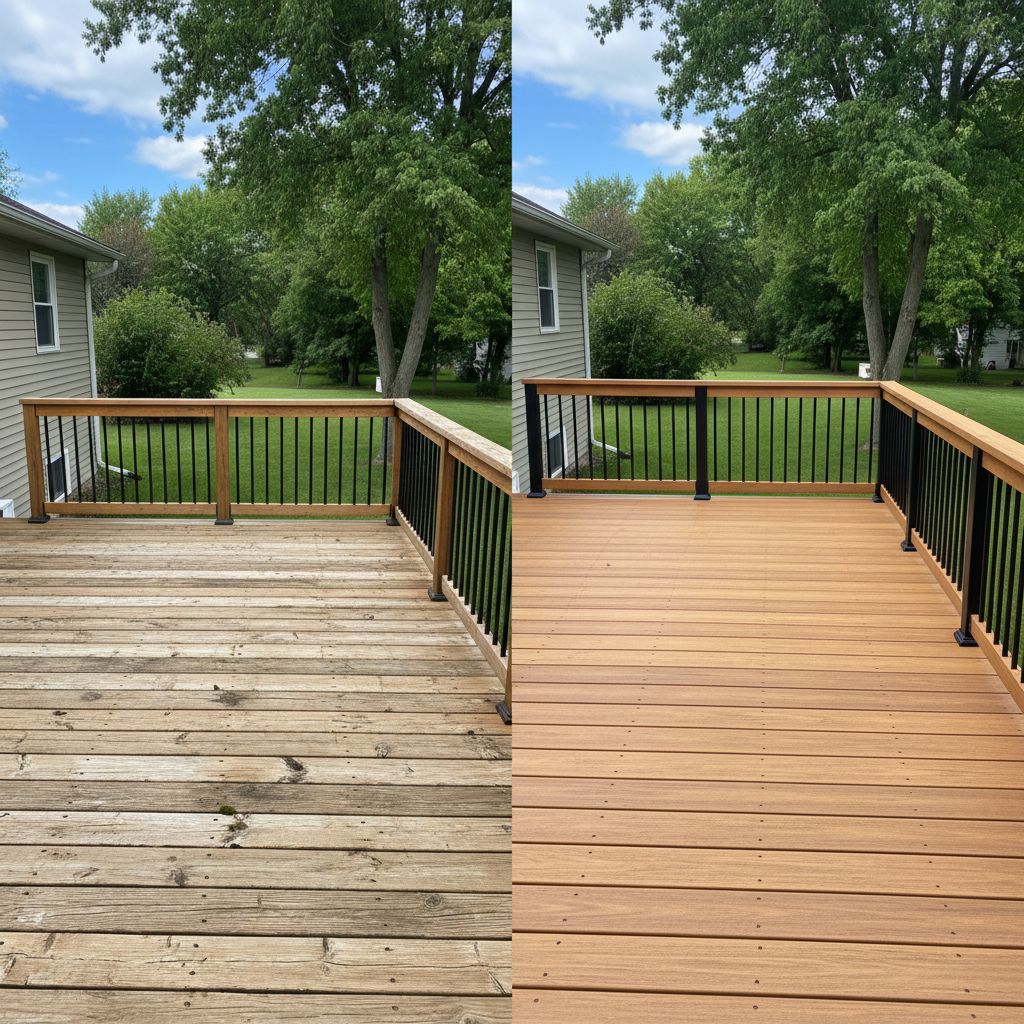
Building a new deck is a big decision, and one of the first things you'll grapple with is what material to use. Around here in Minnetrista, especially with our lake homes and wooded lots, folks often narrow it down to two popular wood choices: pressure-treated lumber or natural cedar. I've built plenty of both over the years, and each has its place. Let's talk through what you need to know.
Cost: What's the Initial Hit?
Let's not beat around the bush; cost is usually the first thing on everyone's mind. Generally speaking, pressure-treated lumber is going to be your more budget-friendly option upfront. It's mass-produced, readily available, and the treatment process adds value without skyrocketing the price. You're looking at a lower material cost per linear foot for PT. Cedar, on the other hand, is a premium wood. It's got a higher price tag right out of the gate. If you're trying to keep the initial project cost down, pressure-treated usually wins this round hands down.
Durability & Longevity: Standing Up to MN Winters
This is where things get interesting, especially with our brutal Minnesota winters and humid summers. Pressure-treated lumber is specifically engineered to resist rot, decay, and insect infestation. The chemicals forced into the wood fibers make it incredibly tough against the elements. It's not uncommon for a well-maintained PT deck to last 20-30 years, sometimes even more. You'll see it used for structural components like joists and beams regardless of the decking material because of this inherent strength.
Cedar, while naturally resistant to rot and insects thanks to its oils, isn't quite as bulletproof as pressure-treated wood in the long run without diligent care. It's softer than many hardwoods, which means it can dent and scratch more easily. Over time, cedar can also become brittle if not properly maintained, leading to splintering. The freeze-thaw cycles we get here, especially with the heavy snow loads common around Lake Minnetonka, can be tough on any wood, but PT tends to hold up structurally a bit better against constant moisture fluctuations.
Maintenance: Your Weekend Chores
No deck is maintenance-free, but the level of effort differs. Pressure-treated lumber needs to be cleaned annually and stained or sealed every 2-3 years to protect it from UV damage and moisture absorption. If you skip this, it'll turn a dull gray and can start to crack and warp. It's not a huge chore, but it's consistent.
Cedar also needs regular cleaning and sealing/staining, usually every 1-2 years to maintain its color and prevent it from weathering to a silvery-gray. Some folks like that weathered look, but if you want to preserve the rich, natural tones of cedar, you'll be putting in a bit more work. Because it's softer, cedar can also show dirt and mildew more readily in shaded, damp areas, meaning more frequent cleaning might be necessary.
Appearance & Aesthetics: What Look Do You Want?
This is often the deal-breaker for people. Pressure-treated lumber, especially when new, has a greenish tint from the treatment process. It can look a bit utilitarian. While you can stain it to almost any color, it rarely achieves the rich, natural beauty of cedar. It's a workhorse, not a show horse, unless you really dress it up with a good stain.
Cedar, on the other hand, is gorgeous. It has those beautiful reddish-brown tones, a distinctive aroma, and a fine, straight grain. It just looks natural and high-end. For many, the aesthetic appeal of cedar is worth the extra cost and maintenance. It blends beautifully with the natural surroundings of our area, whether you're overlooking the lake or nestled in a mature oak grove in places like Shorewood or Mound.
My Recommendation for Minnetrista Homeowners
So, what's the verdict for folks around here? If budget is your absolute top priority, and you're okay with a more rustic look or plan to stain it heavily, pressure-treated lumber is a solid, reliable choice. It's tough, it lasts, and it's less expensive upfront. Alpha Decks builds plenty of great PT decks that stand the test of time.
However, if you're looking for that premium, natural aesthetic, and you're willing to invest a bit more upfront and commit to slightly more frequent maintenance, cedar is truly stunning. It elevates the look of your outdoor living space in a way PT just can't match. For many of the beautiful homes we work on in Minnetrista, the natural elegance of cedar is simply the better fit for the overall property value and curb appeal.
Ultimately, it comes down to your priorities: budget and low fuss, or natural beauty and a bit more TLC. Both can give you a fantastic deck that you'll enjoy for years.