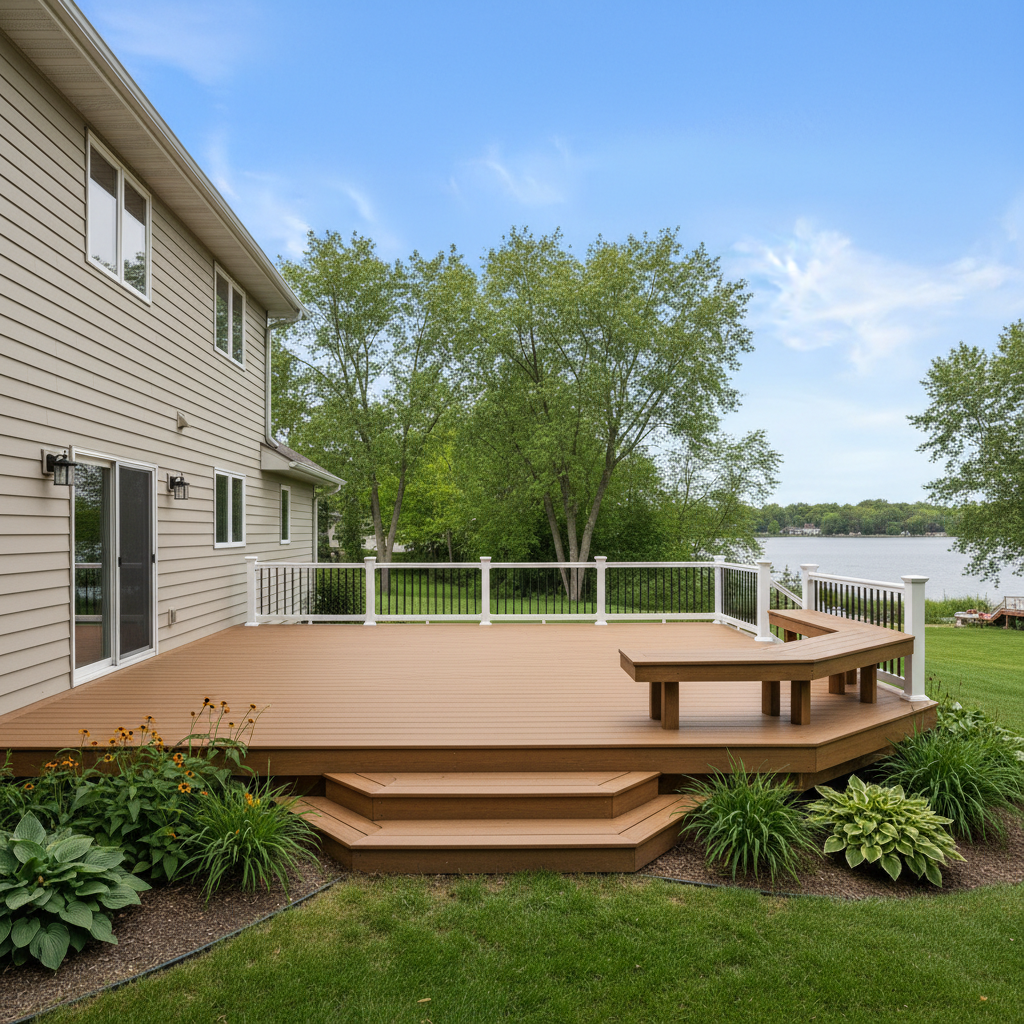
You're probably dreaming of that perfect Trex deck, right? Maybe a spot for the grill, some comfy chairs, a place to watch the kids play or just enjoy the sunset over Lake Minnetonka. It's a big investment, no doubt, and you want it done right. But I've seen folks make some pretty common mistakes that can turn that dream into a real headache, especially when it comes to planning and picking who's going to build it. Let's talk about what to steer clear of.
Not Being Specific Enough on the Design
This is probably the biggest one out there. People often have a general idea – 'a big deck' or 'something with two levels.' But a good contractor, someone like us at Alpha Decks, really needs the nitty-gritty details. You wouldn't tell a chef 'make me food' and expect a Michelin-star meal, would you? Same goes for your deck. If you're vague, you're leaving too much up to interpretation, and that's where disappointment can sneak in.
- Sketch it out: Even a rough drawing helps a ton. Show where you want stairs, if you need a landing, where the grill will sit, or if you're planning a hot tub.
- Think about how it flows: How will you actually use the deck? Will it connect to your kitchen? Is there a door from the master bedroom? Consider how people will move around the space.
- Your furniture matters: Seriously, measure your patio furniture. If you want a dining table for six, make sure there's enough room to pull chairs out and walk around comfortably. I've seen decks that were technically big enough, but once the furniture's in, it feels totally cramped.
- Lighting and electrical: Are you adding post cap lights? Under-rail lighting? Need outlets for a TV or string lights? These things need planning early on, not as an afterthought.
Being specific means your contractor can give you an accurate quote and build exactly what you want, not just what they *think* you want.
Ignoring the Need for Proper Permitting
I know, paperwork is a drag. Nobody loves dealing with city hall. But skipping permits in Minnetrista, or anywhere for that matter, is a huge gamble. It's not just about getting caught; it's about safety and protecting your home's value.
A permit means your plans get reviewed by the city to ensure they meet building codes. This isn't some bureaucratic hoop to jump through; it's there to make sure your deck is structurally sound, safe for your family, and built to last. If you build without one, and then try to sell your house down the road, it can cause major headaches during inspection. You might have to tear it down, or pay a hefty fine and then rebuild it to code. It's just not worth the risk, believe me. A reputable contractor will always pull all the necessary permits for you.
Falling for the Lowest Bid Without Doing Your Homework
Everyone wants a good deal; I totally get it. But when it comes to something as permanent and structural as a deck, the lowest bid is often a red flag. It's not always the case, but it's definitely worth digging deeper.
Here's what to think about:
- What's actually included? Is the cheapest bid using the same quality materials? Do they include demolition and disposal of your old deck? What about the permit fees? Sometimes a low price means they're cutting corners on materials or labor.
- Insurance and licensing: This is non-negotiable. Any contractor you hire *must* be licensed and insured. If they're not, and someone gets hurt on your property or your property is damaged, you could be held liable. Always ask for proof of both.
- References and reviews: Don't just take their word for it. Check online reviews, and ask for references from past clients. Call those references! Ask if the project stayed on budget, if communication was good, and if they'd hire them again.
- Experience with Trex: Trex is a fantastic product, but it's different from wood. You want someone who knows how to work with it, how to properly space boards for expansion and contraction, and how to handle its specific fastening systems.
I've seen too many homeowners regret going with the cheapest option only to end up with a shoddy deck that needs repairs within a few years, or worse, is unsafe. You're better off paying a fair price for quality work that lasts.
Not Considering the Long-Term Maintenance (Even with Trex)
People often pick Trex because it's 'maintenance-free.' And while it's certainly low-maintenance compared to wood, it's definitely not 'no-maintenance.' You still need to clean it. Living here in Minnetrista, with our changing seasons, pollen, and leaves, your deck will get dirty.
If you don't plan for regular cleaning, you'll end up with a grimy, potentially slippery surface. It's not hard – usually just soap and water or a mild deck cleaner – but it's something to factor into your long-term ownership. Don't let that beautiful composite get neglected, okay?
Not Having a Clear Contract
This goes hand-in-hand with the lowest bid issue. A good contract protects both you and the contractor. It should clearly spell out:
- The exact scope of work, including materials, dimensions, and any specific features.
- The total cost and a payment schedule.
- Start and completion dates (with allowances for weather, of course).
- Warranty information for both materials and labor.
- What happens if there are changes to the plan.
Don't sign anything you don't understand. Ask questions. Make sure everything you discussed is in writing. This prevents misunderstandings down the road and ensures everyone is on the same page.
Building a Trex deck should be an exciting project. By avoiding these common missteps in planning and hiring, you'll set yourself up for a smooth process and a deck you'll enjoy for years to come. If you're ready to talk details, give us a call at Alpha Decks. We're here to help you get it right.