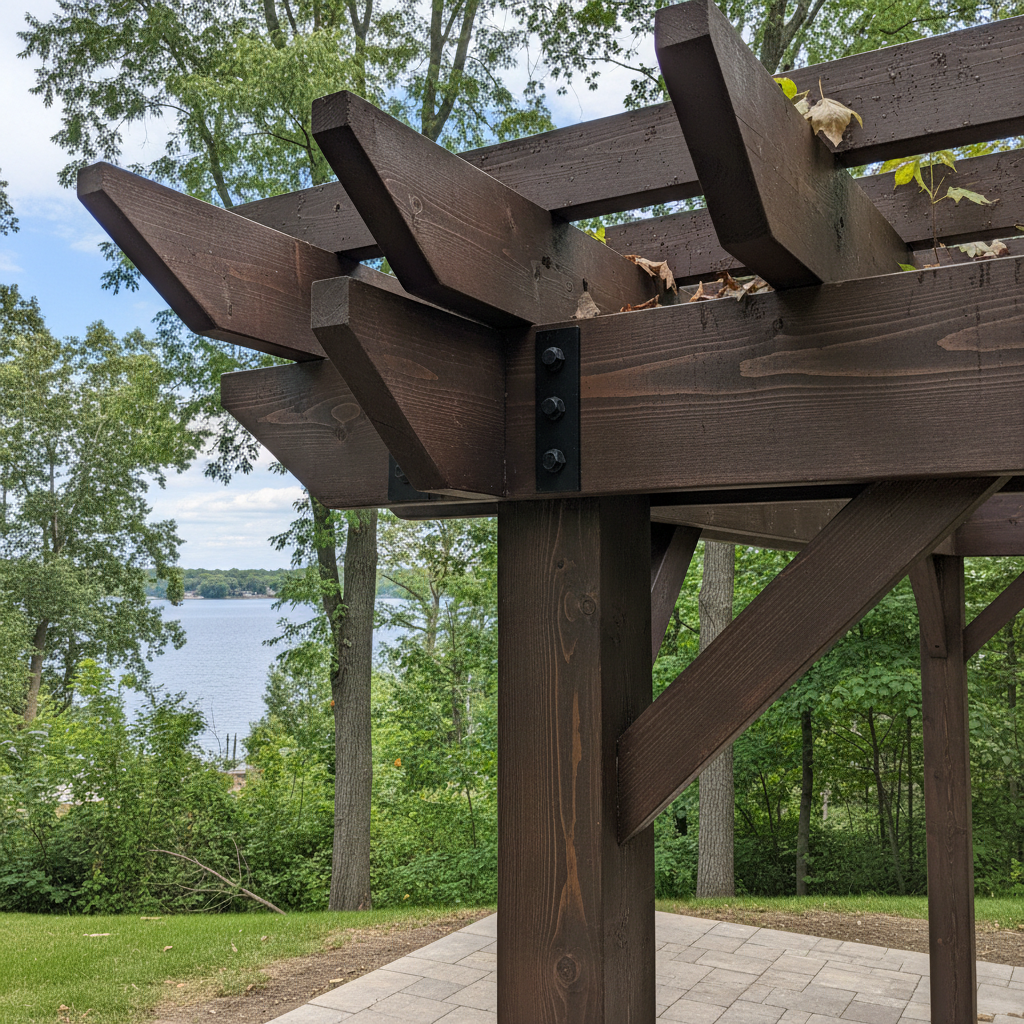
Do I need a permit for a pergola in Minnetrista?
This is probably the most common question I get, and it's a good one because the answer isn't always straightforward. In Minnetrista, like most places, whether you need a permit for a pergola really depends on its size and how it's attached. Generally, if your pergola is detached, under a certain square footage (often 120 or 200 sq ft, but you've gotta check current city codes), and not permanently affixed to a foundation, you might not need one. But if it's attached to your house, or if it's a big, beefy structure with deep footings, you're almost certainly going to need a permit. My advice? Always check with the City of Minnetrista's building department. It's better to make a quick call upfront than to build something only to find out you have to tear it down or pay fines. We always help our clients figure out the permit situation; it's just part of the job.
What's the best material for a Minnetrista pergola?
You've got a few solid choices here, and each has its pros and cons, especially with our Minnesota weather. Wood is classic, right? Cedar is a fantastic option; it's naturally rot and insect resistant, looks beautiful, and takes stain well. Pressure-treated pine is more budget-friendly and durable, but you'll want to stain or paint it to protect it and make it look good. Then there's vinyl or composite. These are virtually maintenance-free, which is a huge plus for a lot of homeowners. They won't rot, warp, or need staining. The downside is they can look a bit less natural than wood, and the upfront cost is usually higher. Aluminum is another option, lightweight and durable. What's 'best' really comes down to your budget, the look you're going for, and how much maintenance you're willing to do. I've built plenty of all types, and they all have their place.
How long does a pergola last in Minnesota?
How long it lasts depends a lot on the material and how well it's maintained. A well-built cedar pergola, properly stained and sealed every few years, can easily last 15-20 years, sometimes more. Pressure-treated pine, with good care, is in a similar ballpark. Vinyl and composite pergolas? Those things are built to last, often 25+ years, because they don't degrade in the same way wood does. Aluminum is also incredibly long-lasting. The biggest enemies of any outdoor structure in Minnetrista are our harsh winters – the freeze-thaw cycles, heavy snow loads, and then the hot, humid summers. Good construction techniques, like proper footings that go below the frost line (which is usually 42-48 inches around here), and quality fasteners, are just as important as the material itself for longevity.
Can a pergola provide full shade?
A traditional pergola, with its open lattice roof, isn't designed to give you full, solid shade. It's more about creating dappled light and a sense of enclosure. Think of it as a beautiful outdoor room that lets some sun through. If you want more shade, you've got options. You can add a retractable canopy, shade sails, or even grow climbing vines like wisteria or grapevines over the top. These can provide a lot more sun protection when you need it. Some modern pergolas also come with adjustable louvered roofs that you can open or close for full sun or full shade, which is a really neat feature if you've got the budget for it. It all depends on how much sun you want to block out.
What kind of foundation does a pergola need?
This isn't something to skimp on. For any pergola that's more than just a temporary, lightweight structure, you need solid footings. We're talking concrete footings that go below the frost line to prevent heaving. Around Minnetrista, that means digging down at least 42 inches, sometimes 48, depending on the specific soil conditions and local codes. If you just set posts on concrete blocks, you're going to have problems with shifting and instability over time, especially with our ground freezing and thawing. The posts themselves should be anchored securely to these footings using proper post bases. For smaller, lighter, freestanding pergolas, sometimes concrete pavers or deck blocks can work, but for anything substantial or attached to your house, proper deep footings are non-negotiable. It's the backbone of the whole structure.
How much does a custom pergola cost?
This is like asking