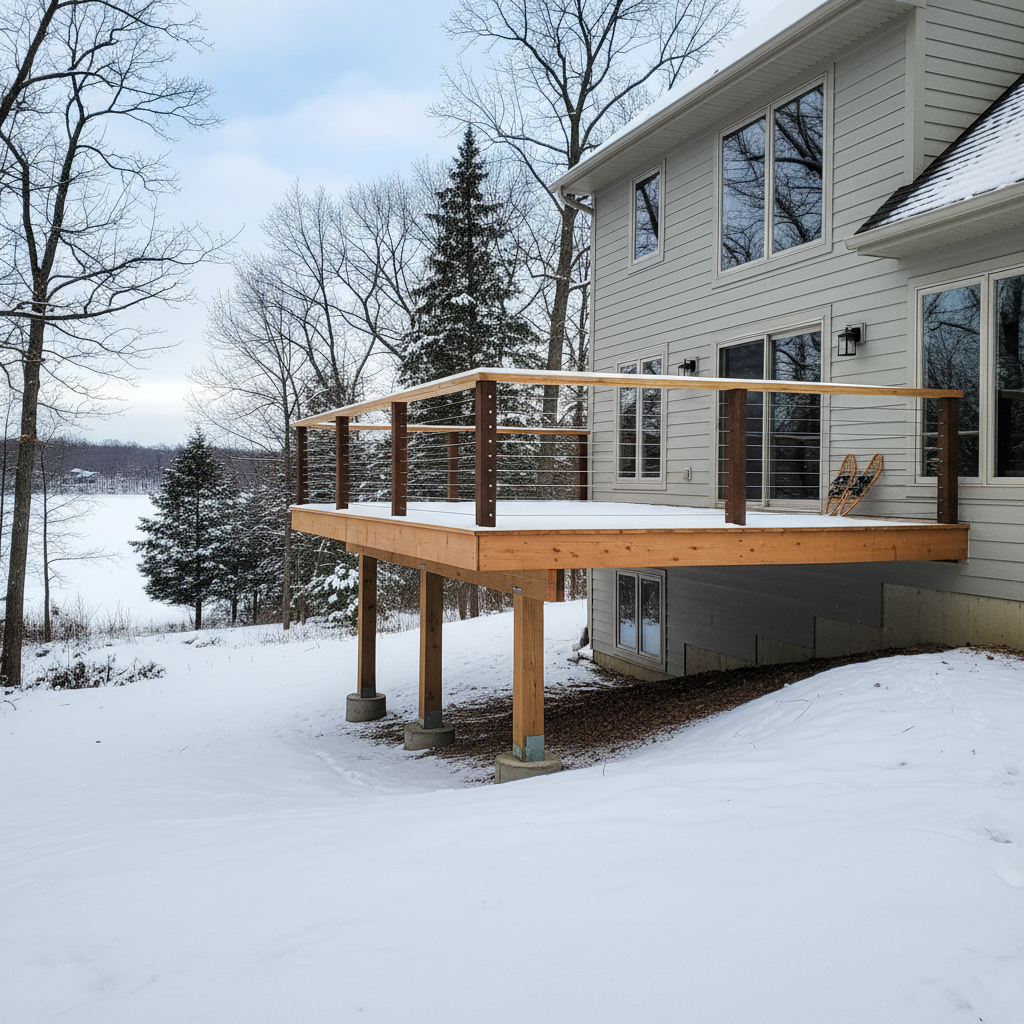
Got a deck that's seen better days? You're probably wondering when to get those repairs done. Around here in Minnetrista, with our wild temperature swings and heavy snowfalls, timing isn't just a suggestion; it's absolutely crucial for a lasting fix and to protect your investment.
When to Schedule Deck Repair in Minnetrista
Look, I've been building and fixing decks around Lake Minnetonka for years. And I can tell you straight up: the best time for most deck repair work isn't always summer. Everyone thinks summer, sure, but that's when everyone else thinks summer too. Plus, the heat can actually make some materials tricky to work with. And, let's be honest, you're trying to enjoy your deck, not have it under construction.
My honest answer? Early spring or late fall. Here's why:
- Early Spring (April - May): As soon as the snow melts and the ground dries out a bit, that's prime time. You can clearly see any winter damage – popped nails, split boards, wobbly railings. The wood hasn't fully expanded from summer humidity yet, which is good for repairs like replacing joists or decking. Plus, you beat the summer rush, so you're more likely to get on a contractor's schedule faster, right?
- Late Fall (October - November): Before the really cold weather sets in, but after the leaves have dropped, is another sweet spot. The air is drier, and materials are stable. It's a great time to address any issues that showed up over the summer or to get a head start on repairs before winter's freeze-thaw cycles make things even worse. You're basically winterizing your deck structurally.
Of course, some urgent repairs, like a dangerous loose railing or a major structural issue, need immediate attention, no matter the season. Don't wait on those; safety always comes first.
How Weather Conditions Affect Deck Work
You can't fight Mother Nature, especially not in Minnesota. The weather plays a huge role in what kind of deck work we can do and when.
- Temperature: Extreme cold makes materials brittle and hard to work with. Adhesives and sealants don't cure properly. Extreme heat can cause wood to expand, making accurate cuts and installations tougher, and it's just plain miserable for the crew. We aim for that sweet spot between 40-75 degrees Fahrenheit for most major repairs.
- Moisture: Rain and snow are obvious no-gos for most exterior work. Wet wood is heavier, harder to cut accurately, and can lead to issues with fasteners. Plus, applying stains or sealants to wet wood is a waste of time and money – it just won't stick right. We need dry conditions for a quality finish.
- Wind: High winds aren't just a nuisance; they can be dangerous, especially when we're working with larger pieces of lumber or on elevated sections.
When you call Alpha Decks for a repair, we're always factoring in the forecast. We'll give you an honest assessment of when we can get the job done right, not just when we can squeeze it in.
Protecting Your Deck Investment Year-Round
Your deck is a big investment, and keeping it in top shape means thinking about it more than just once a year. Here's what I tell folks:
- Clear Debris Regularly: Leaves, pine needles, dirt – they all trap moisture against your deck boards. That's a recipe for rot and mildew, especially in shaded areas or where snow piles up, like around the base of those big oak trees common in Shoreline Drive neighborhoods. A quick sweep or blow-off every few weeks really helps.
- Inspect After Winter: Once the snow melts, take a good look. Are there any loose boards? Popped screws? Splintered wood? Catching these issues early prevents them from becoming bigger, more expensive problems.
- Maintain Your Finish: Whether you've got a stained wood deck or a composite, proper cleaning is key. For wood, re-staining every few years (depending on the product and sun exposure) protects against UV damage and moisture. Even composite decks benefit from a good wash to remove grime and prevent mold.
- Check Drainage: Make sure water isn't pooling on or under your deck. Good drainage around your home's foundation is good for your deck too.
- Trim Overhanging Branches: Less shade means less moisture retention, and fewer leaves to clean off. Plus, it reduces the risk of falling branches damaging your deck during a storm.
Taking a proactive approach to deck maintenance saves you headaches and money down the road. If you're unsure about your deck's condition or need some repairs, don't hesitate to give us a call at Alpha Decks. We're here to help keep your outdoor living space safe and beautiful for years to come.