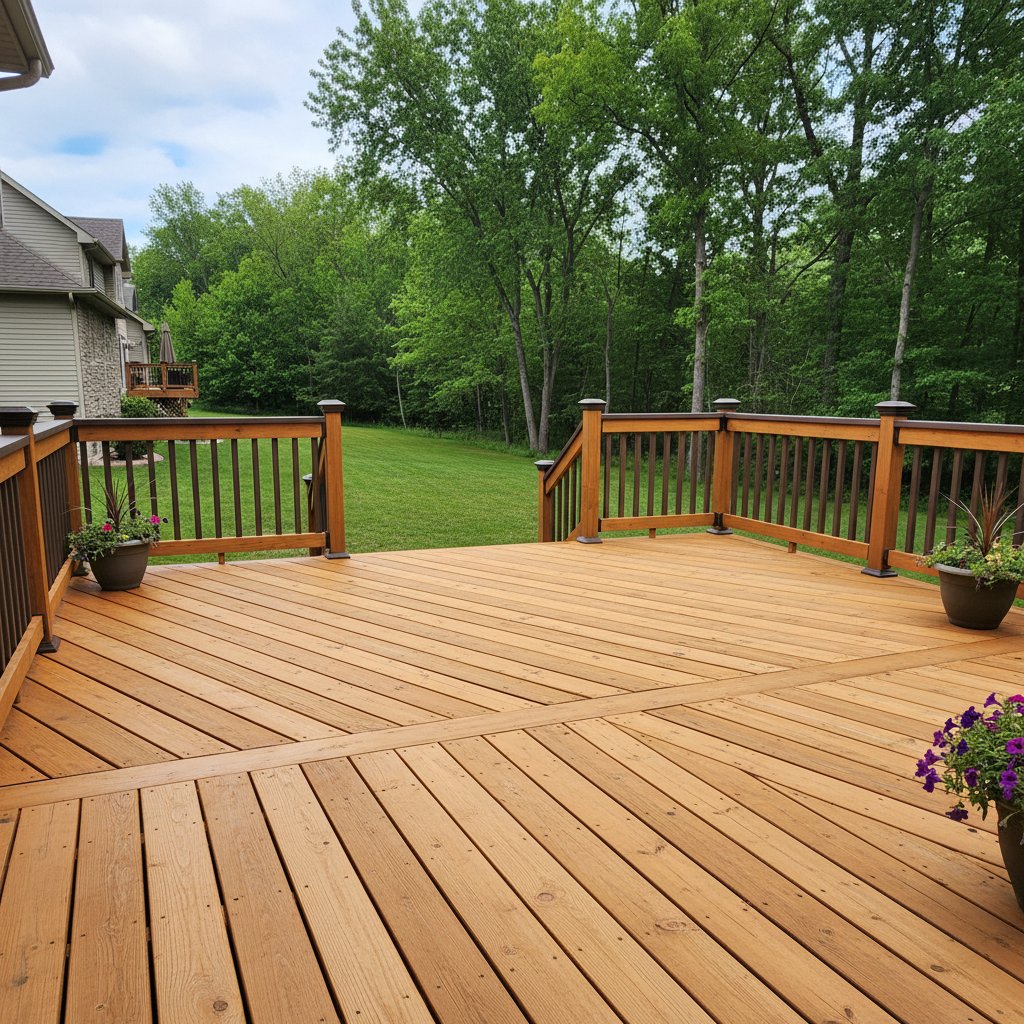
Your Deck's Lifespan: It's All About Maintenance
You've got a great deck. Maybe I built it for you, or maybe it was there when you bought your place. Either way, you want it to last, right? Up here in Minnetrista, our decks take a beating. We've got those brutal winters, the freeze-thaw cycles that can really mess with wood, and then the hot, humid summers. It's not just about looking good; it's about safety and getting the most out of your investment.
Extending your deck's life isn't some secret science. It's mostly common sense and a bit of elbow grease. Think of it like changing the oil in your car. Skip it, and you're asking for trouble down the road.
What Regular Maintenance Looks Like
I tell all my clients this: a little bit of effort consistently goes a long way. You don't need to be out there every weekend, but a few times a year, you should be giving your deck some attention.
Clean it Up: At least once a year, usually in the spring after the snow melts, give your deck a good cleaning. Use a deck cleaner designed for your material – wood, composite, whatever you've got. A pressure washer can be great, but be careful. Too much pressure, especially on older wood, can do more harm than good. I've seen folks blast right through soft spots. Use a wide fan tip and keep it moving.
Seal or Stain: If you've got a wood deck, this is critical. For us in Minnesota, I recommend sealing or staining every 2-3 years, depending on the product and how much sun your deck gets. The sun, snow, and rain all break down that protective layer. Water is wood's worst enemy, and a good seal keeps it out. Don't forget the railings and posts!
Clear the Debris: Keep leaves, pine needles, and dirt from piling up, especially between deck boards. That stuff holds moisture, and moisture leads to rot. Pay extra attention around your house's foundation; you don't want water sitting there.
Check Fasteners: Screws can back out, nails can pop up. Walk around and give everything a quick once-over. Tap down any nails or tighten screws. Loose fasteners aren't just annoying; they can be a tripping hazard or indicate a bigger structural issue.
Warning Signs You Can't Ignore
Your deck will tell you when it's hurting, you just have to know what to look for. Don't wait until a board feels spongy underfoot or a railing wiggles like a loose tooth.
Soft Spots or Rot: This is a big one. Poke around with a screwdriver, especially in areas that stay wet – near downspouts, under planters, or where boards meet. If the wood feels soft or crumbles, you've got rot. Small spots can be repaired, but widespread rot means bigger problems.
Cracked or Splintered Boards: A few small cracks are normal with wood, but large, deep cracks or widespread splintering means the wood is drying out and losing its integrity. This is a safety issue for bare feet and can lead to structural weakness.
Loose Railings or Posts: Give your railings a good shake. If they're wobbly, that's a red flag. Same goes for support posts. These are critical for safety, especially if you've got kids or pets.
Fading or Peeling Finish: This isn't just cosmetic. It means your deck's protection is failing, leaving the wood exposed to the elements. It's a sign you need to re-seal or re-stain soon.
Mildew or Algae Growth: Green or black patches mean moisture is hanging around too long. It makes the deck slippery and contributes to wood decay.
Rusting Fasteners: If you see rust around screws or nails, it means water is getting in. This can weaken the connection points.
When to Call a Professional (Like Alpha Decks)
Look, I'm all for DIY, but some things are best left to the pros. Especially when it comes to the structural integrity of your deck. If you're seeing any of these, it's time to pick up the phone:
Significant Rot: If you find rot in support beams, joists, or ledger boards (that's the board connecting your deck to your house), don't mess around. These are structural components, and failure here can be dangerous. We see a lot of issues with ledger boards in older homes around Lake Minnetonka where flashing wasn't done right, letting water get behind the siding.
Widespread Structural Issues: If multiple posts are loose, or the deck feels bouncy and unstable when you walk on it, that's a sign of a deeper problem that needs a professional assessment.
Deck Pulling Away from the House: This is an emergency. If you see a gap forming between your deck and your house, or the ledger board looks like it's detaching, get everyone off the deck and call us immediately. This is a serious collapse risk.
You're Unsure: If you're not confident in what you're seeing or how to fix it, that's okay. It's better to get an expert opinion than to risk injury or further damage. Alpha Decks can come out, take a look, and give you an honest assessment of what needs to be done.
Taking care of your deck isn't just about preserving its looks; it's about ensuring it's a safe, enjoyable space for your family and friends for years to come. A little proactive maintenance now can save you a lot of headaches and expensive repairs down the line.